

Why Buying Stone from Iran Is a True Competitive Advantage
November 2, 2025
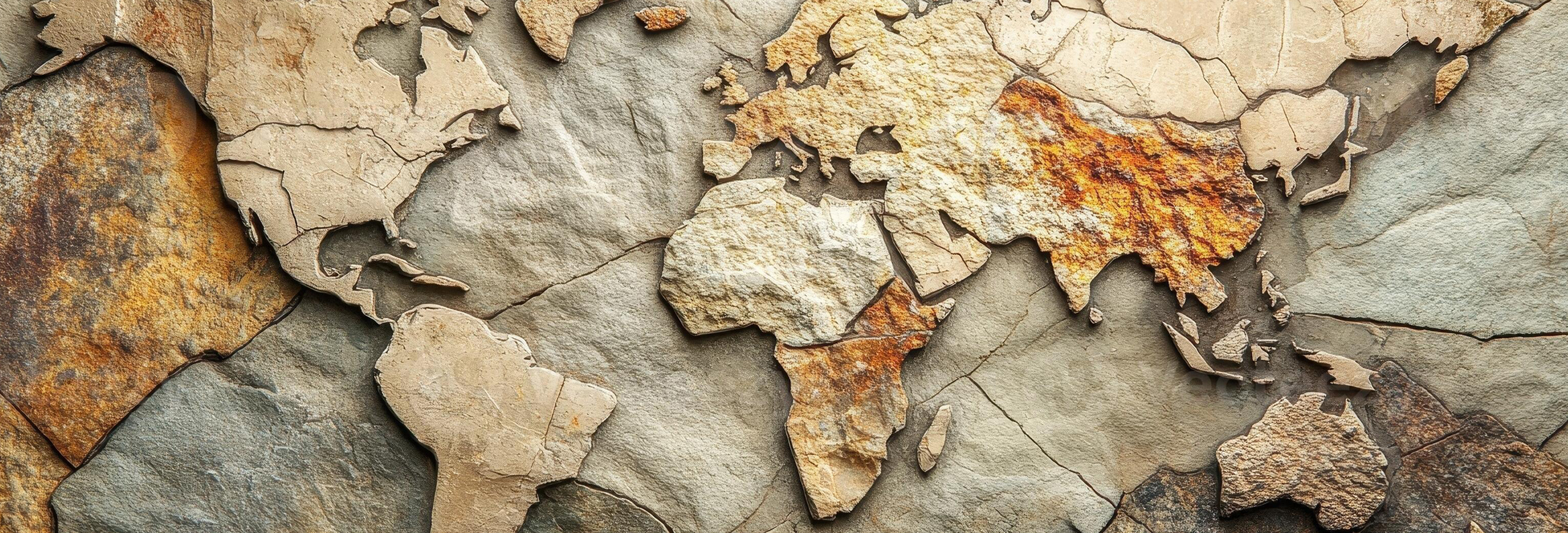
An Insider’s View, Not a Showroom Narrative
When natural stone is discussed in international markets, the
conversation often drifts quickly toward familiar phrases: premium quality,
competitive pricing, wide variety. In reality, the stone industry
is not a field where such general statements offer real insight. The true value
of a stone is shaped by geology, extraction methods, processing discipline,
logistics, and more than anything, honesty throughout the supply chain.
This article is written from within the industry, not from a marketing
desk. The aim is to offer a clear, experience‑based comparison between Iranian
stone and that of other major producing countries, without exaggeration,
without national bias, and with full respect for the realities of global trade.
Iranian Stone: Natural Advantage or Untapped Potential?
From a geological perspective, Iran is one of the few countries that
hosts almost every major category of building stone: marble, limestone,
travertine, onyx, and granite, including several materials with highly
distinctive visual identities.
The real strength of Iranian stone lies not only in its diversity, but
in its character. Materials such as Lashotor marble or Dehbid marble
carry a recognizable visual signature. These stones are not easily confused
with Turkish or European alternatives, and that uniqueness matters in projects
where identity is valued over uniformity.
However, possessing a natural advantage does not automatically translate
into commercial superiority. Stone quality does not end at the quarry face, it
is defined by what happens after extraction.
Turkey: Consistency Over Geological Superiority
Turkey is one of Iran’s closest competitors in the global stone market.
Geologically, many Turkish marbles particularly light‑colored materials are
comparable to Iranian stones.
Turkey’s advantage is not necessarily better raw material, but rather:
- Integrated and coordinated supply chains
- Strict standardization in grading, sizing, and
packaging
- A strong understanding of export market
expectations
As a result, the purchasing risk is often lower. Buyers know what
they will receive, and in international trade, predictability is frequently
more valuable than marginal differences in material quality.
Italy and Spain: Stone as a Designed Product
Countries such as Italy and Spain moved beyond selling stone as a raw
building material decades ago. In these markets, stone is treated as a designed
product, not just a commodity.
An important distinction should be made:
- Many European stones are not technically superior
to Iranian materials
- But finishing quality, quality control, and
product storytelling are more mature
Buyers in these markets are not purchasing stone alone, they are
purchasing confidence, brand credibility, and a controlled buying experience.
China: Strength in Scale, Not in Identity
China plays a different role in the global stone industry. Its strength
lies in production capacity, speed, and price competitiveness. China is both a
major importer of raw stone and a global exporter of finished products.
Chinese stone products are typically:
- Price‑driven
- Industrially consistent
- Suitable for large‑scale, standardized projects
However, in projects where material identity, depth of texture, and long‑term
visual value matter, Chinese stone is rarely the first choice.
The Issue Rarely Addressed: Consistency Over Time
The most significant challenge facing Iranian stone exports is neither
material quality nor pricing. It is consistency across repeat orders.
International buyers often ask a simple but decisive question:
Will the second and third shipments match the first?
The ability to answer this question with confidence determines long‑term
market presence.
An Honest Summary
A balanced conclusion would be as follows:
- Iran holds world‑class geological potential
- Processing discipline and presentation still
require systematic improvement
- Global markets respond more strongly to
reliability than to raw quality alone
Iranian stone can be an excellent choice when it is sourced through
the right channel.
A Final Note, Without a Sales Pitch
If you are an importer, architect, contractor, or stone professional who
values transparency, knowing exactly where a stone comes from, how it is
processed, and what its real limitations are then conversation should come
before quotation.
We prefer to discuss realities before numbers, even if that conversation
never turns into a transaction.
If this approach resonates with you, communication is always open.